
Countdown to Submission Deadline
- 00 DAY
- 00 HRS
- 00 MIN
- 00 SEC
According to the similarity of the topics, the 11th International Conference on Economics, Management and Social Sciences (ICEMSS2026) and the 11th International Conference on Education and Innovation (EDUINNOV2026) were jointly held at the Qingdao Guokang Haiqing Hotel in Qingdao, China, from August 14 to 16, 2026. Experts and scholars from various universities and research institutions worldwide gathered to engage in in-depth discussions on cutting-edge issues in economy, educational innovation, social science, and artificial intelligence applications.
The conference featured keynote speeches delivered by Dr. Shuo Zhao, Dr. Fairtown Zhou Ayoungman, and Dr. Lo Yueh Yea.
Dr. Shuo Zhao (Professor, School of International Studies, Communication University of China) addressed the paradigm transformation of AI education in the context of the Global South. Drawing on de-colonial theory and critical AI studies, he proposed a de-colonial AI education paradigm grounded in epistemic sovereignty, relational learning, and context-responsive design, offering both a diagnostic framework and constructive pathways toward a just, plural, and self-determined AI education future for the Global South.
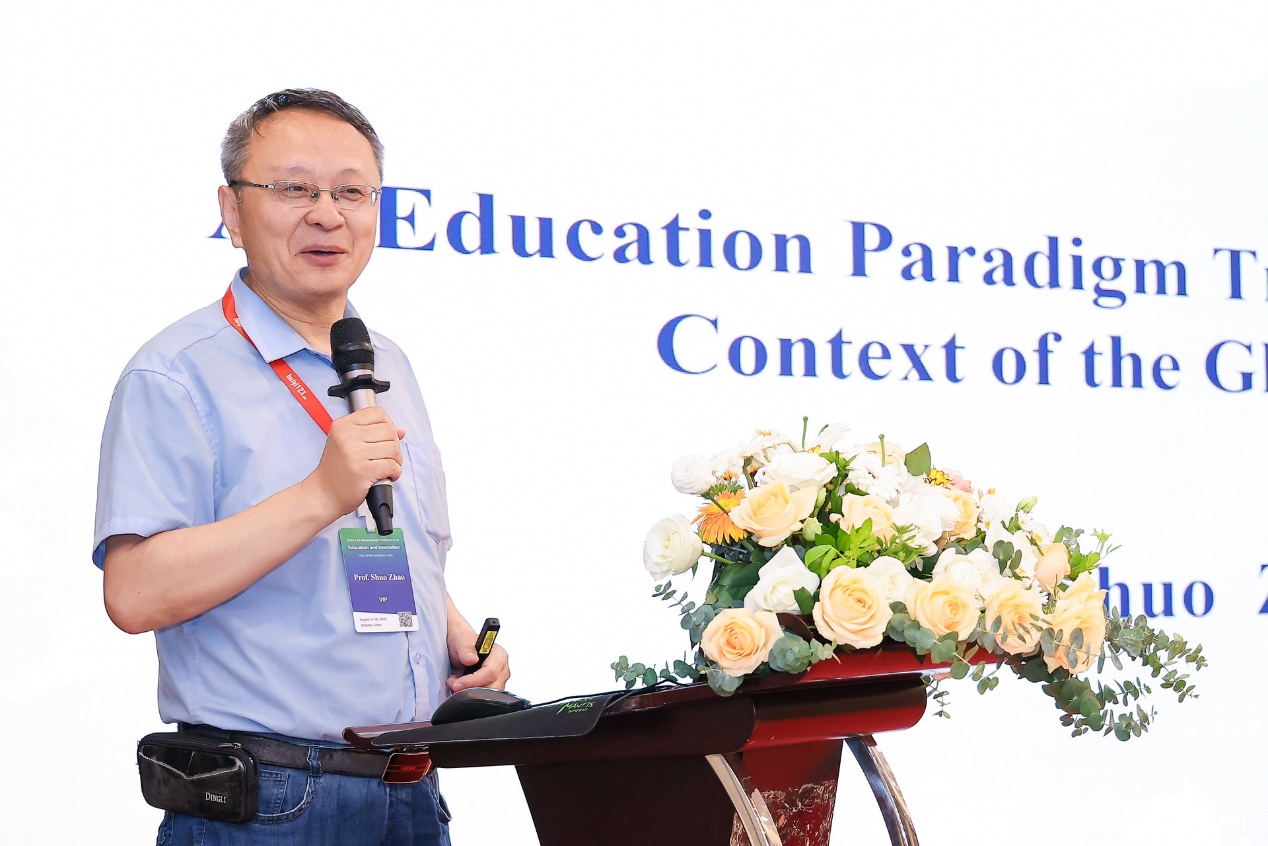
Figure 1: Dr. Shuo Zhao delivering his keynote speech
Dr. Fairtown Zhou Ayoungman (Professor, Business School, Zhengzhou University; Director, Yunus Social Business Center at Zhengzhou University) focused on AI-driven social innovation, institutional entrepreneurs, and rural revitalization. Through empirical evidence from rural practices across China, he revealed how AI-enabled social innovation, facilitated by institutional entrepreneurs, achieves technology diffusion, institutional coordination, and multi-stakeholder resource integration, providing a framework for aligning rural revitalization with the UN Sustainable Development Goals.
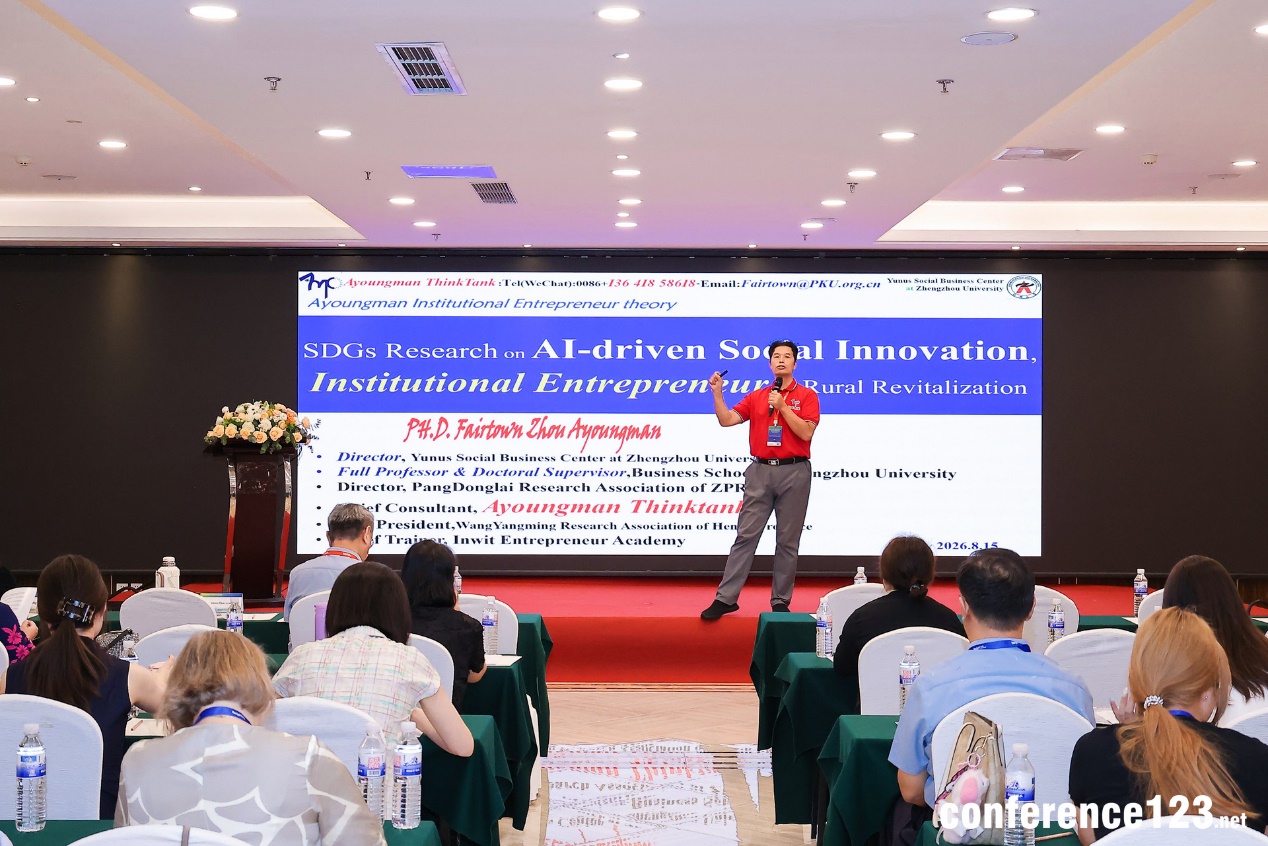
Figure 2: Dr. Fairtown Zhou Ayoungman delivering his keynote speech
Dr. Lo Yueh Yea (Assistant Professor, Faculty of Education, Universiti Malaya, Malaysia) explored the intersections of feedback literacy, digital pedagogy, and professional teacher development in multilingual education in the age of AI. She positioned AI not as a replacement for teachers, but as a pedagogical partner that can enhance human judgment, creativity, and responsiveness, proposing a human-centered approach to multilingual education that is inclusive, contextually responsive, and future-oriented.
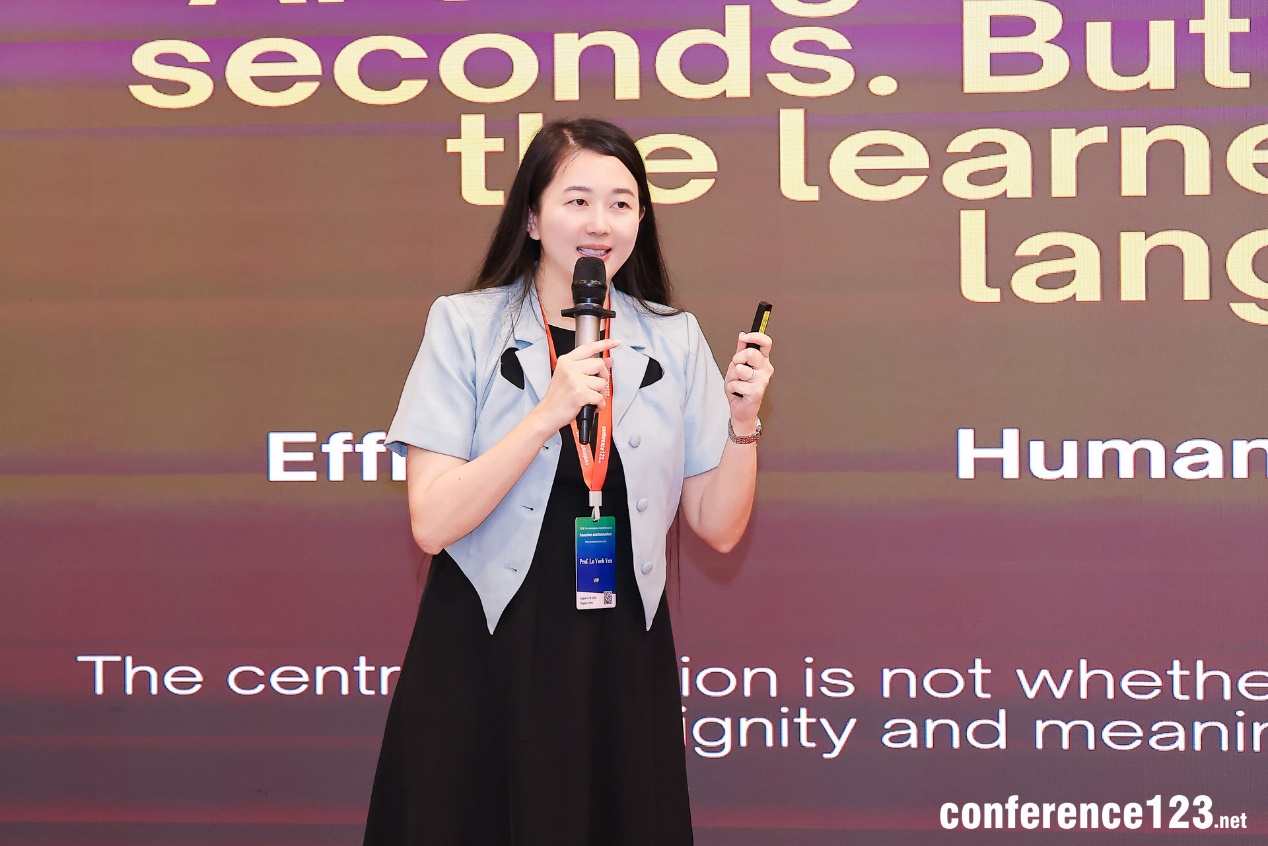
Figure 3: Dr. Lo Yueh Yea delivering her keynote speech
Following the keynote sessions, multiple scholars delivered concise oral presentations focusing on diverse topics, including digital economy, business management, educational technology, cross-cultural communication, and public policy. Concurrently, the conference featured a poster presentation session, where scholars gathered around the posters, engaging in enthusiastic exchanges and in-depth discussions on research content of mutual interest.
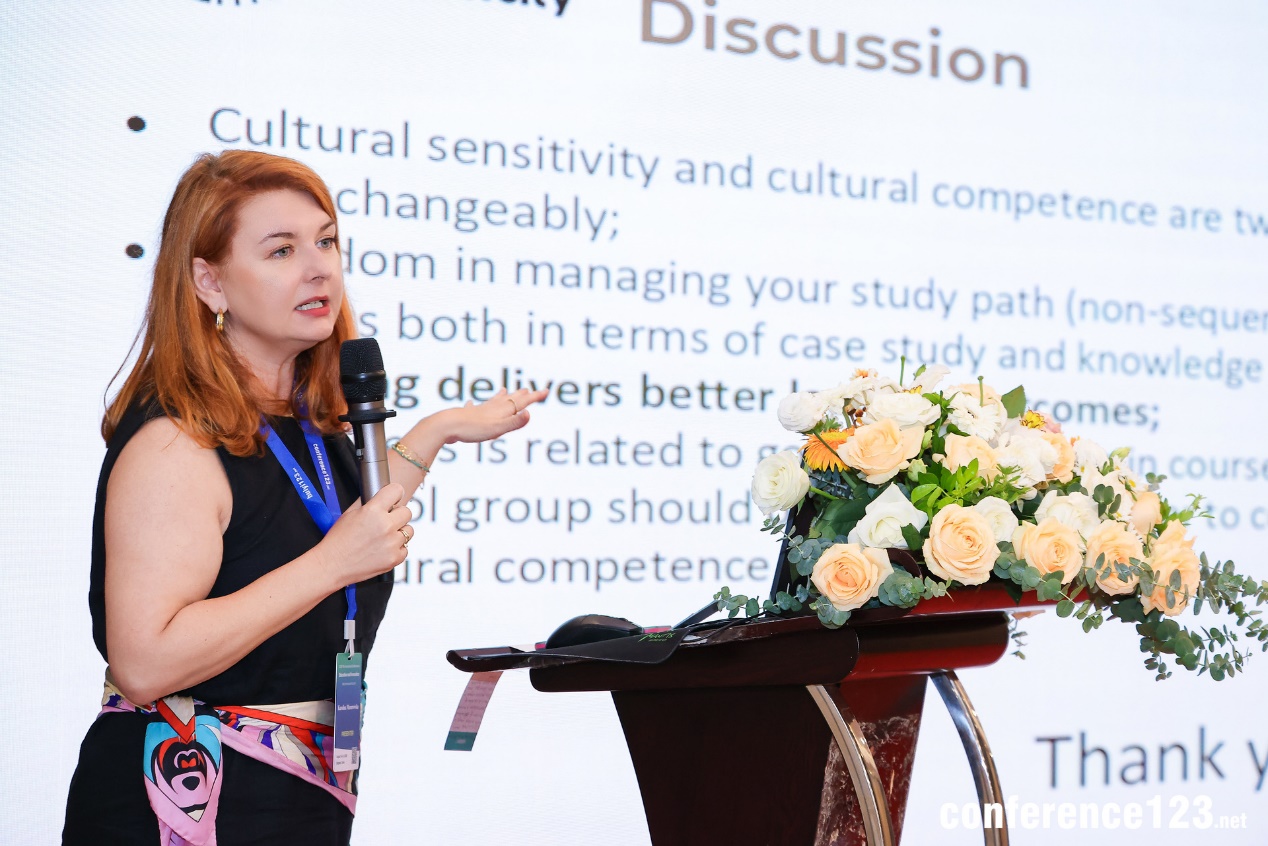
Figure 4: Dr. Karolina Mazurowska delivering an oral presentation
Throughout the conference, participants actively shared their unique insights on the conference themes and exchanged ideas based on their conference experiences.
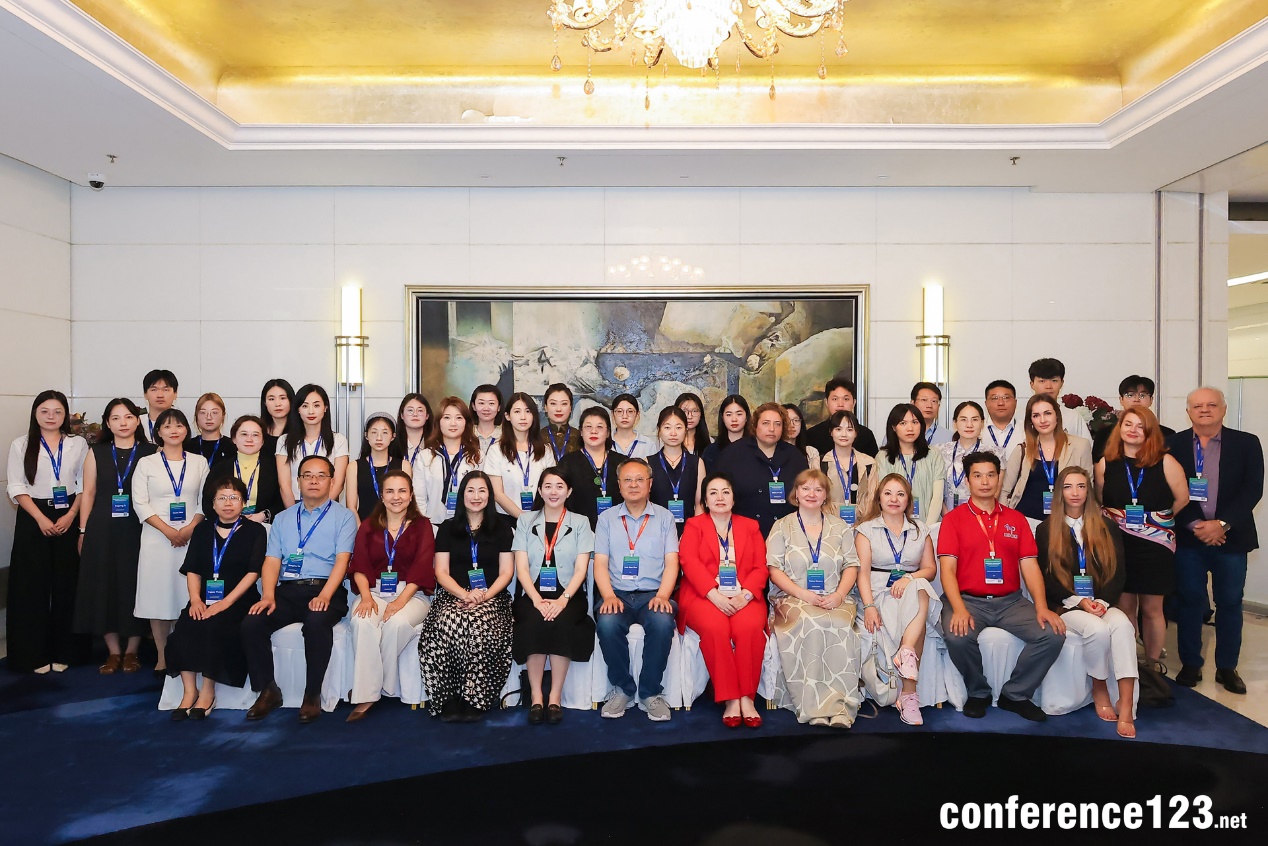
Figure 5: Group photo of the conference
© Copyright 2015-2026 11th International Conference on Education and Innovation - All rights reserved.

 X (formerly Twitter)
 LinkedIn